
Puppy training classes in Tooting, South London (starting 5th September)
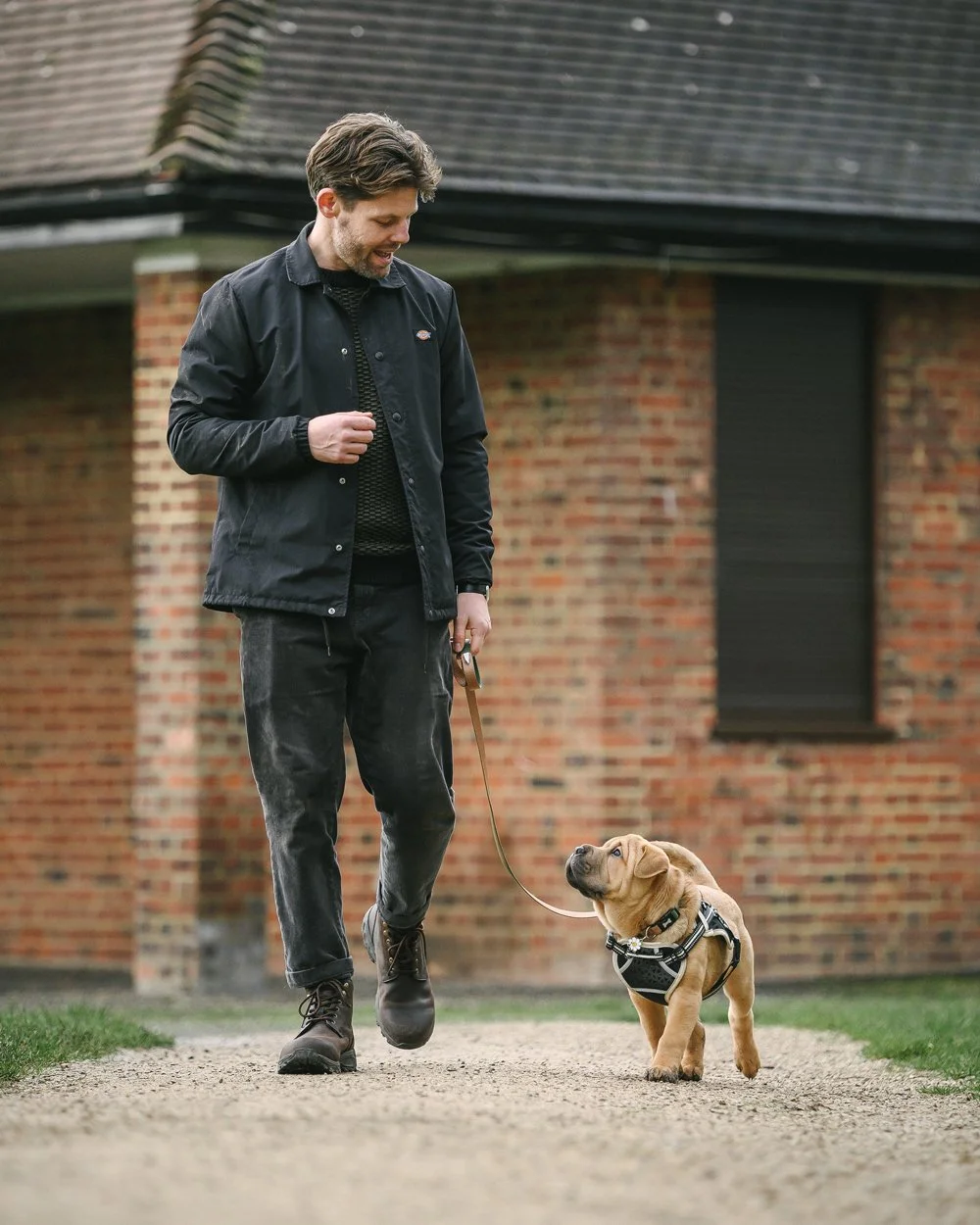
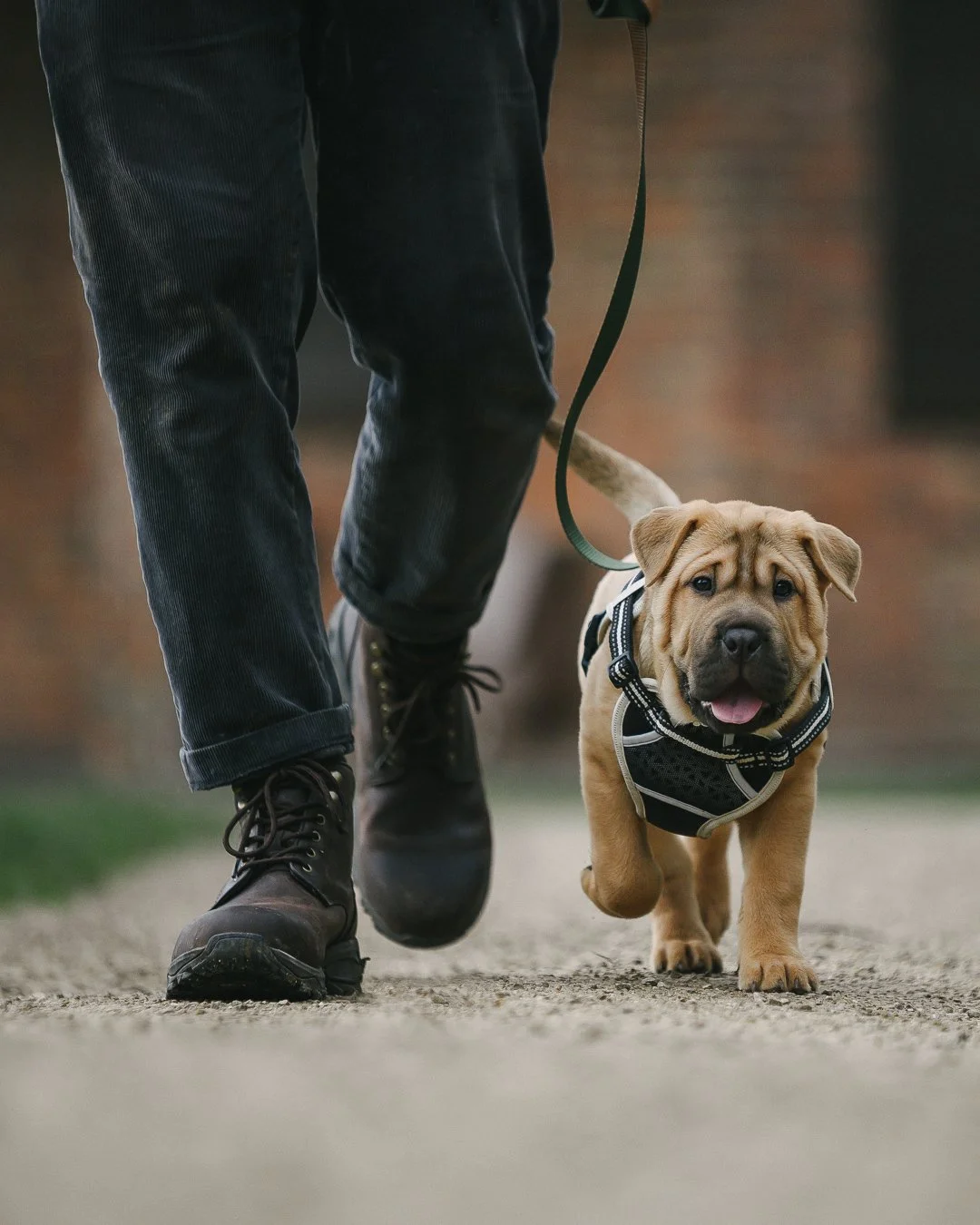
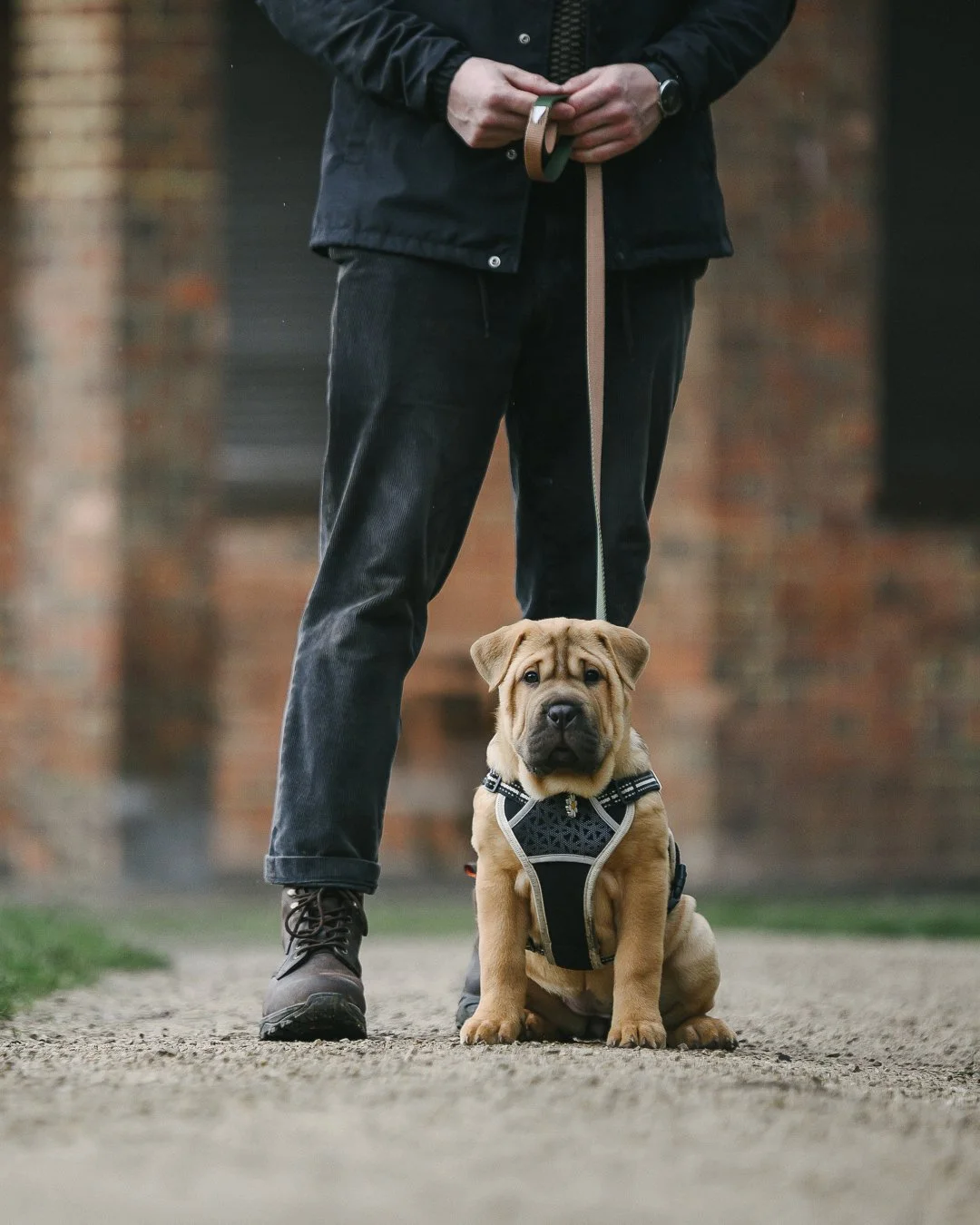
Why Puppy Training Is About More Than Obedience
When you bring a puppy home, it's easy to think that puppy training is mainly about teaching them the basics.
Sit. Stay. Come when called. Walking nicely on the lead.
Those skills are important, but raising a happy, well-adjusted adult dog involves so much more. Your puppy is learning about the world every single day. They're learning what feels safe, what is exciting, how to respond to new people and dogs, how to cope with unfamiliar environments and, importantly, how to regulate their emotions when things become overwhelming.
That's why my puppy training classes in Tooting, South London focus on much more than obedience.
The aim is to help you raise a calm, confident dog who can cope with everyday life.
What does a calm, confident dog actually look like?
A calm dog isn't necessarily one who never gets excited.
And a confident dog isn't one who wants to meet every person or dog they see.
Instead, we're looking for a dog who can experience the world without constantly feeling overwhelmed by it.
That might mean being able to walk past another dog without immediately needing to say hello, settle in a new environment, recover after something unexpected happens, or check in with their owner when they're unsure. These are incredibly valuable life skills. And they're skills that can be supported from puppyhood.
Puppy training isn't just about cues and commands
Teaching your puppy to sit is relatively straightforward. Teaching them how to cope with the world around them takes a little more thought.
During puppyhood, we have an opportunity to build positive experiences and help puppies develop the confidence they need to navigate everyday situations.
This can include learning how to:
Stay calm around distractions
Focus on their owner when exciting things are happening
Experience new environments without becoming overwhelmed
Walk comfortably on a lead
Come back when called
Settle and switch off
Make good choices around people and other dogs
Recover from exciting or unfamiliar experiences
These foundations can make life much easier as your puppy grows.
Can puppy training help prevent reactivity?
This is something I'm particularly passionate about.
Reactivity isn't simply a case of a dog being badly behaved. Barking, lunging or becoming highly excited around other dogs can have a number of underlying causes, including fear, frustration, over-arousal or feeling overwhelmed.
With a good upbringing and guidance we can give them the best possible foundations. That means helping puppies develop confidence, teaching them how to cope with distractions and new experiences, and showing owners how to recognise when their puppy is struggling rather than simply expecting them to "get used to it".
Prevention and early support can be incredibly valuable.
And if you're already dealing with a reactive dog, early support isn't the only option either. I also provide 1-2-1 dog training for owners who need help understanding and working through their dog's behaviour.
Why socialisation isn't about meeting every dog
One of the biggest misconceptions about puppy socialisation is that puppies need to meet as many people and dogs as possible. Actually, good socialisation is much broader than that.
It's about helping your puppy experience different sights, sounds, surfaces, environments, people and situations in a way that feels manageable for them.
Sometimes the best socialisation is simply watching the world from a comfortable distance. Your puppy doesn't need to greet every dog they see. They need to learn that they can be around the world without feeling that they have to interact with everything in it. That ability to observe, process and remain calm is something we can build over time.
What we work on in my puppy classes
My 6-week puppy training course in Tooting is designed to give you practical skills that you can take into everyday life.
We'll work on foundations including:
Calmness and settling
Helping your puppy learn that they don't have to be switched on all the time.
Confidence
Supporting your puppy as they encounter new experiences without overwhelming them.
Focus and engagement
Building a relationship where your puppy wants to check in with you, even when there are distractions around.
Loose lead walking
Developing good walking habits from the beginning rather than waiting for pulling to become established.
Recall
Building the foundations of a reliable recall so that coming back to you becomes something your puppy enjoys.
Real-life behaviour
Looking beyond exercises in the training environment and helping you understand how to support your puppy in the situations you encounter every day.
Handling
Getting ahead of the game to ensure our puppies can stay calm and relaxed at the vets and groomers.
Why I keep my puppy classes small
Puppies can become overwhelmed surprisingly easily, particularly when they're surrounded by unfamiliar people, dogs, sights and sounds. That's why I keep my puppy classes small, with a maximum of six puppies.
A smaller group allows for a calmer learning environment and gives me more opportunity to support each puppy and their owner individually.
Every puppy is different. Some are confident and outgoing. Others need more space and time to process what's happening around them.
Good puppy training isn't about making every puppy behave in exactly the same way. It's about understanding the individual dog in front of you and giving them the skills they need to thrive.
The goal isn't a perfect puppy
This is probably the most important thing I want new puppy owners to understand.
Your puppy doesn't need to be perfect.
They're learning. There will be biting. There will be distractions. There will be days when the recall you've practised brilliantly suddenly disappears because your puppy has discovered a leaf that is apparently the most fascinating thing they've ever seen. That's normal.
The goal is to give you the knowledge and skills to understand what's happening and know what to do next. Because you're not just training a puppy for the next few months. You're helping shape the relationship you'll have with your dog for many years to come.
Puppy Training Classes in Tooting, South London
My next 6-week puppy training course starts on 5th September in Tooting, South London.
The classes are designed for owners who want more than basic obedience. They're for people who want to give their puppy the best possible foundations for becoming a calm, confident adult dog.
We'll focus on practical skills, confidence, calmness and helping puppies learn how to cope with the world around them.
With just six puppies per course, spaces are limited.
If you'd like to find out more about my puppy training classes in Tooting, South London, you can find the full course details and booking information here:
www.thedogsbyalex.co.uk/puppyclasses
And if you're already struggling with reactivity or challenging behaviour with an older dog, you can also find out more about my dog training and reactive dog support in London.
The aim is simple: helping you and your dog enjoy life together.