
Are you trying to socialise your dog too much?
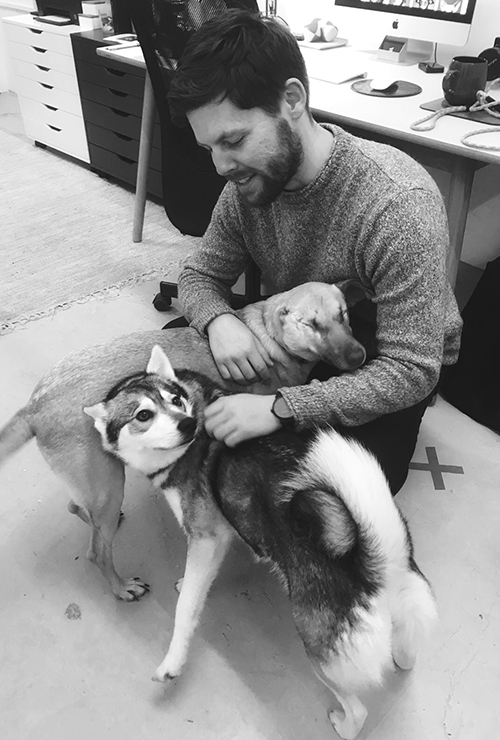
I’m Alex, a dog behaviourist based in Streatham, south London, running 1-2-1 dog training sessions for dogs and their guardians.
What I see
A common theme I notice in people training their dogs is thinking that every dog they see is probably an opportunity for their dog to socialise or ‘make friends’. Or worse, seeing every dog as an opportunity to improve social skills with a ‘the more they meet the better they will become’ mentality.
I’ll be blunt - your dog doesn’t need more friends. She or he needs quality time with dogs that match their own energy and balance or, ideally, enhance it. Please do not be fooled into thinking that more is more. Less is more. Quality wins every single time.
Particularly with reactive dogs who are making good progress, keep the process considered and thoughtful, not hurried and with reactive decision-making. I can totally empathise with the fact we can get caught up into rushing the process because we want to succeed with our dogs, but remember to take stock and go forward with consideration and logical thinking.
How much is too much?
To be clear, I’m specifically talking about your ‘everyday’ situations here - on your regular dog walk, possibly at a cafe, on the street in town.
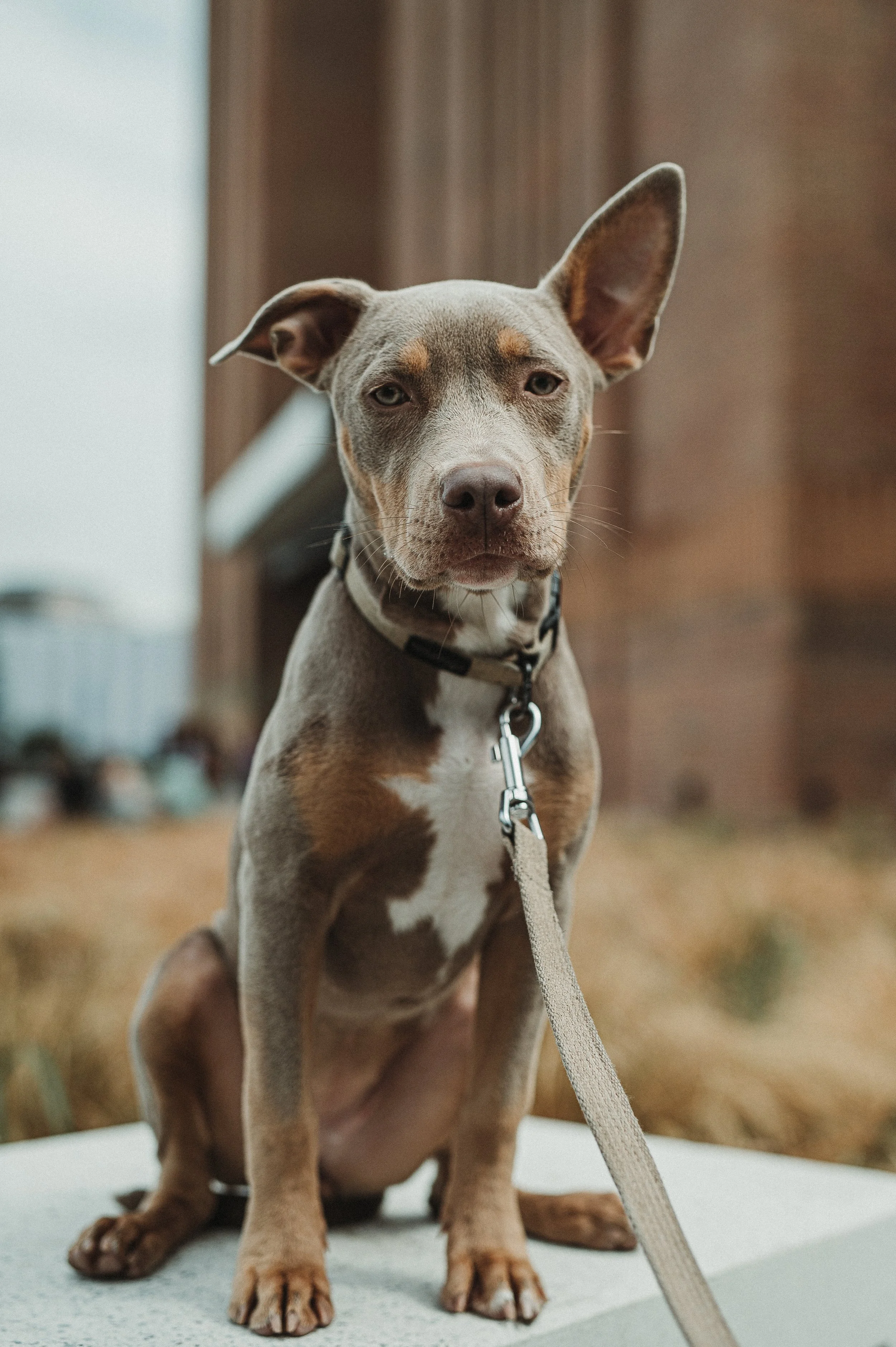
Using a regular dog walk in the park as an example, let’s say you come into contact with 10 dogs on average, merely for an easy illustration (although 10 is about right for an hour walk around my area). I would probably introduce my terrier Norah to 1-2 dogs. Sounds very little doesn’t it.
So, why so little? Because I want to set her up for success, and I want her to socialise with dogs that at least match her energy, or ideally better it. I want her to meet dogs that are balanced and have good etiquette, that leave the experience in a positive way for both the dogs and the owners. If 10 of those 10 dogs meet the criteria below, then fine, but the following might explain why that number is so low…
What I look for in a good dog meet
Let’s continue using Norah and the local park as our example. From a distance and ideally before any approach I’m looking for:
Is the other dog on or off lead?
If Norah is off lead and the other dog is on lead, it’s a firm ‘no’, regardless if the dog and/or owner seem friendly. On/off or on/on lead introductions are, more often that not, recipes for failure. Being on lead can create frustration with their limitations, potential fear because they can’t create space if they need, and it limits their natural ability to meet other dogs in a healthy way.
What do I mean by this? Well, a good dog meet will not be approached head-to-head - they should have enough room to circle and meet from the side. Nose-to-nose, which is the way a human would naturally approach these introductions, is confrontational in the dog world, and if that’s the only option for them on lead then this is just asking for trouble.
Be respectful - you don’t know the other dog’s nature or the training that they’re also trying to do. Norah is straight on the lead or we give plenty of room if we see another dog approaching on the lead.
What is other dog currently focused on?
If they’re focused on a ball that their owner is throwing, again this is a firm ‘no’ for a meet. This could create competition, possessiveness, and also the energy is simply too high.
If the owners are clearly doing training with that dog, respect it. Gauge whether they want to be interrupted - again, it’s probably a ‘no’.
What does their body language say about their energy?
There’s a whole library to be read on this, so I’ll be careful to keep things extremely basic, but generally I’d be looking for a dog that is calm and moves with freedom and ease. I would avoid any dog that is fixated on Norah, holds any tension (stands stock still, fixated on Norah, ears and chest forward). If a dog is running towards others in a straight line with too much purpose it lacks respect (at the soft end of the spectrum). Dog’s with respect and balance move with space and ease around each other - a much slower introduction.
If, and only if.
Even if one of those things I’ve listed isn’t met, don’t chance it. Other than feeding the human emotions of ‘but I really want to see my dog happy and sociable’ there is no point in those dogs meeting. Zero. Your dog will not be ‘happier’ after a meeting that isn’t with balance. A balanced meet is the green light for balanced fun. The two go hand in hand. If dog’s meet with respect, good body language and etiquette, we can set them for success to also have fun.
The caveat
It must be said that there is so much more to when and how dog’s should be introduced, so please know that I’m leaning into tip-of-the-iceberg advice here.
What happens during/after an initial meet will also dictate what happens next, and sometimes that’s also a situation to call it a day with. Keep an eye out for future posts that will help with understanding the bigger picture.
The takeaway
Slow down. Set you and your dog (and the ones you meet) up for success. Consider why, when and how your dog should meet others to make sure they thrive. Enjoy the balanced introductions!
Ta, Alex