
How dog training and dog photography go hand in hand…
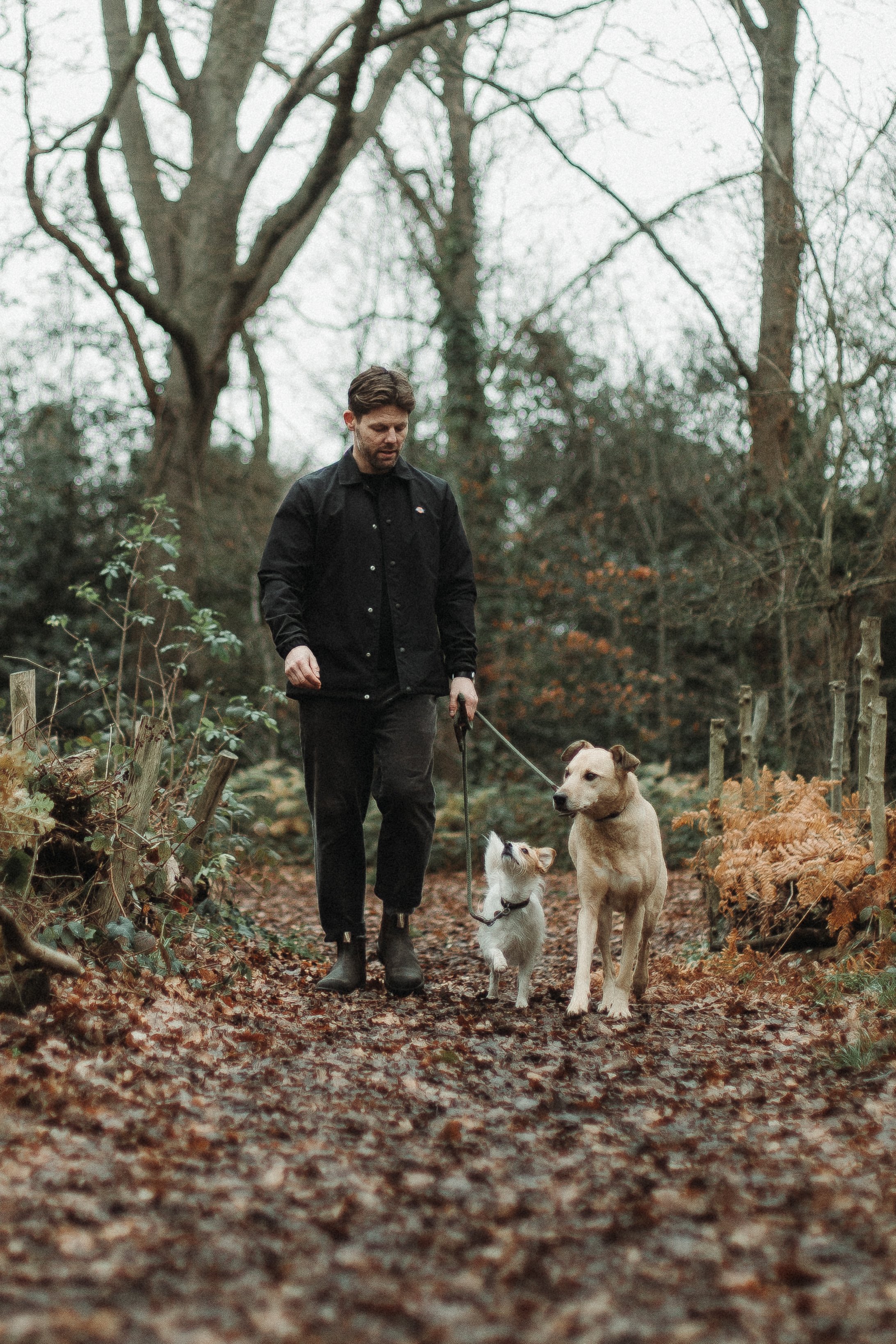
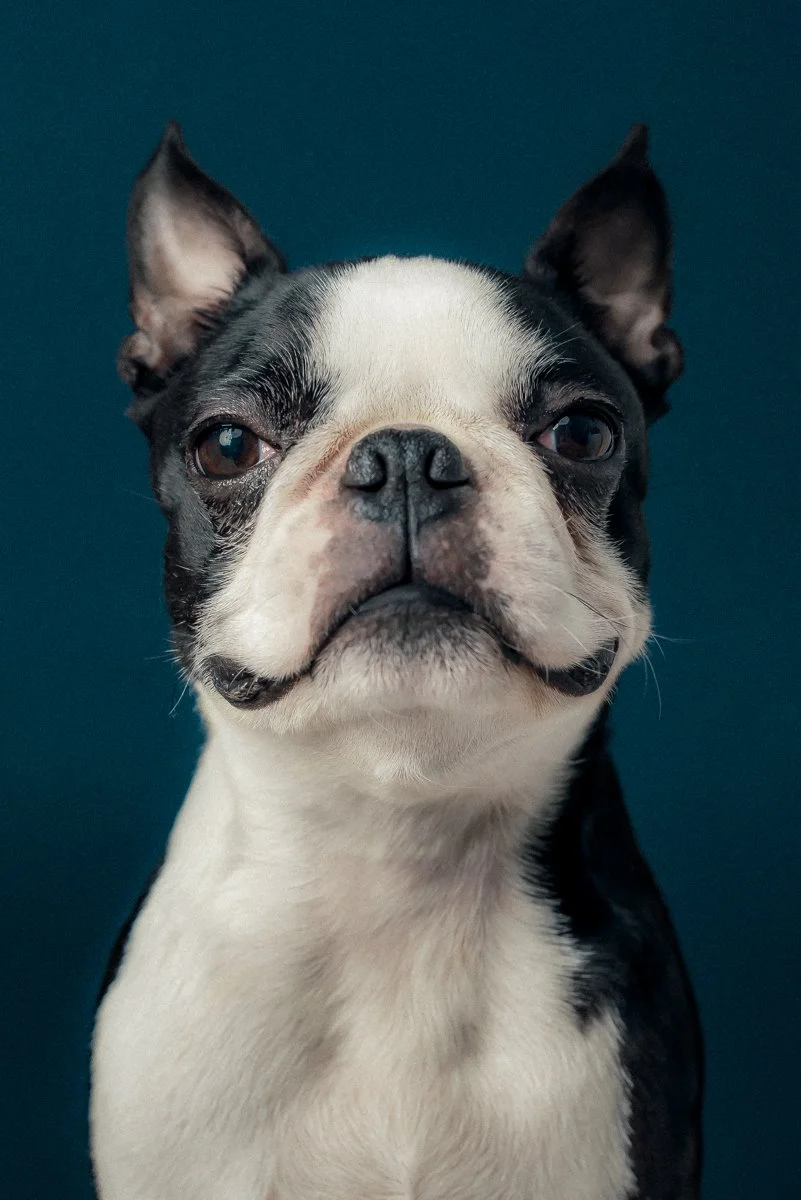
At first glance, dog training and dog photography can seem like two completely separate things. One focuses on behaviour, the other on capturing beautiful photographs. In reality, they are closely connected. Great dog photography relies on many of the same skills that directly relate to effective dog training. Understanding dogs as individuals, reading body language, managing our dog's emotional state, and creating an environment where dogs feel safe and confident.
As a photographer and trainer offering both in-person dog training and dog photography in south London, I experience this connection in every session. Training doesn’t just improve behaviour, it helps dogs feel more relaxed, expressive, and comfortable, which is exactly what leads to natural, authentic photographs that are full of character.
Calm dogs photograph better
One of the biggest challenges in dog photography is helping dogs feel settled enough to show their true personality. I adore the little character differences between each one. But dogs that are over-aroused, anxious, or overwhelmed often struggle to focus, making sessions stressful for both dog and owner.
This is where dog training plays a crucial role. A dog that can relax, engage, and feel safe in their surroundings is far more likely to offer relaxed and natural expressions - everything you want in a great photograph.
Understanding body language improves photography
Dog training is not just about teaching behaviours. It’s about learning to read dogs. Subtle signals like ear position, weight shifts, facial tension, all tell us how a dog is feeling in any given moment.
This skill is invaluable during dog photography sessions. By recognising early signs of stress or overstimulation, sessions can be adapted instantly:
Taking breaks before a dog becomes overwhelmed
Adjusting distance from triggers
Using positivity to help a dog hold position, not forcing 'stillness'
The result is a more ethical photography experience and images that reflect the dog’s true character, not a posed or pressured version of them.
Reactivity, training, and photography
For reactive dogs, photography can feel particularly challenging. But because my training work focuses heavily on reactivity, photography sessions are planned with these needs in mind. That means:
I create a relaxed studio setting
I work at the dog’s pace
I keep sessions relaxed and flexible, spending a lot of time getting to know the dog, not pressurising them to 'behave' in front of the camera
I prioritise the dog’s emotional state over the “perfect shot”
This approach allows reactive dogs to be photographed in a way that respects their boundaries and highlights who they are, not what they struggle with.
Dog training and dog photography in south London
Offering both services allows me to offer an approach that benefits dogs and their guardians. Training supports photography by building calmness and confidence, while photography celebrates the relationship built through training.
Whether you’re looking for 1-2-1 dog training, support with reactivity, or dog photography that respects your dog as an individual, working with someone who understands both sides can make all the difference.
See the dog in front of you
At the heart of both dog training and dog photography is the same principle: there is no one-size-fits-all approach to our dogs. Every dog deserves to be understood as an individual, supported emotionally, and allowed to be themselves.
When training and photography work together, the result is not just better behaviour or better photos, it’s a better experience for the dog.
A key takeaway. Dog training and dog photography are deeply connected. Calm, confident dogs photograph better, and training-informed photography creates images that reflect the dog’s true personality, ethically and authentically.